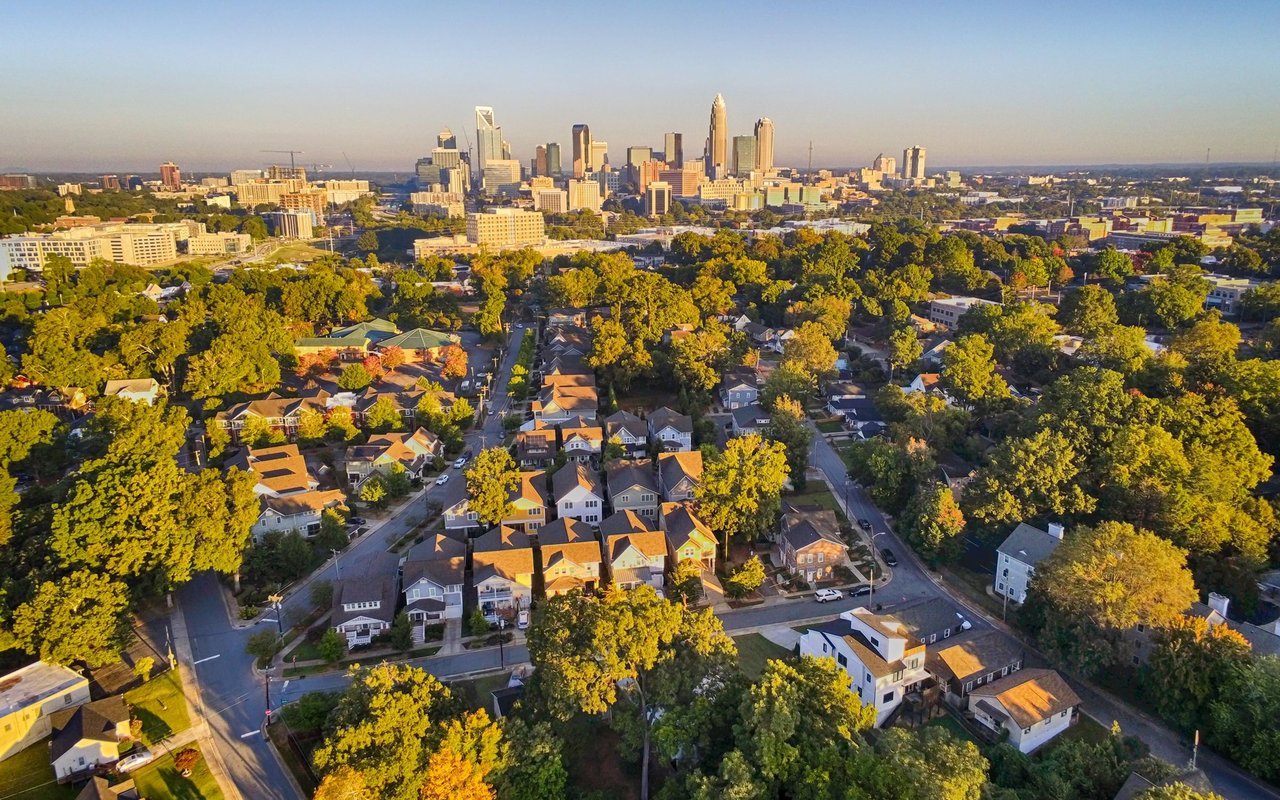
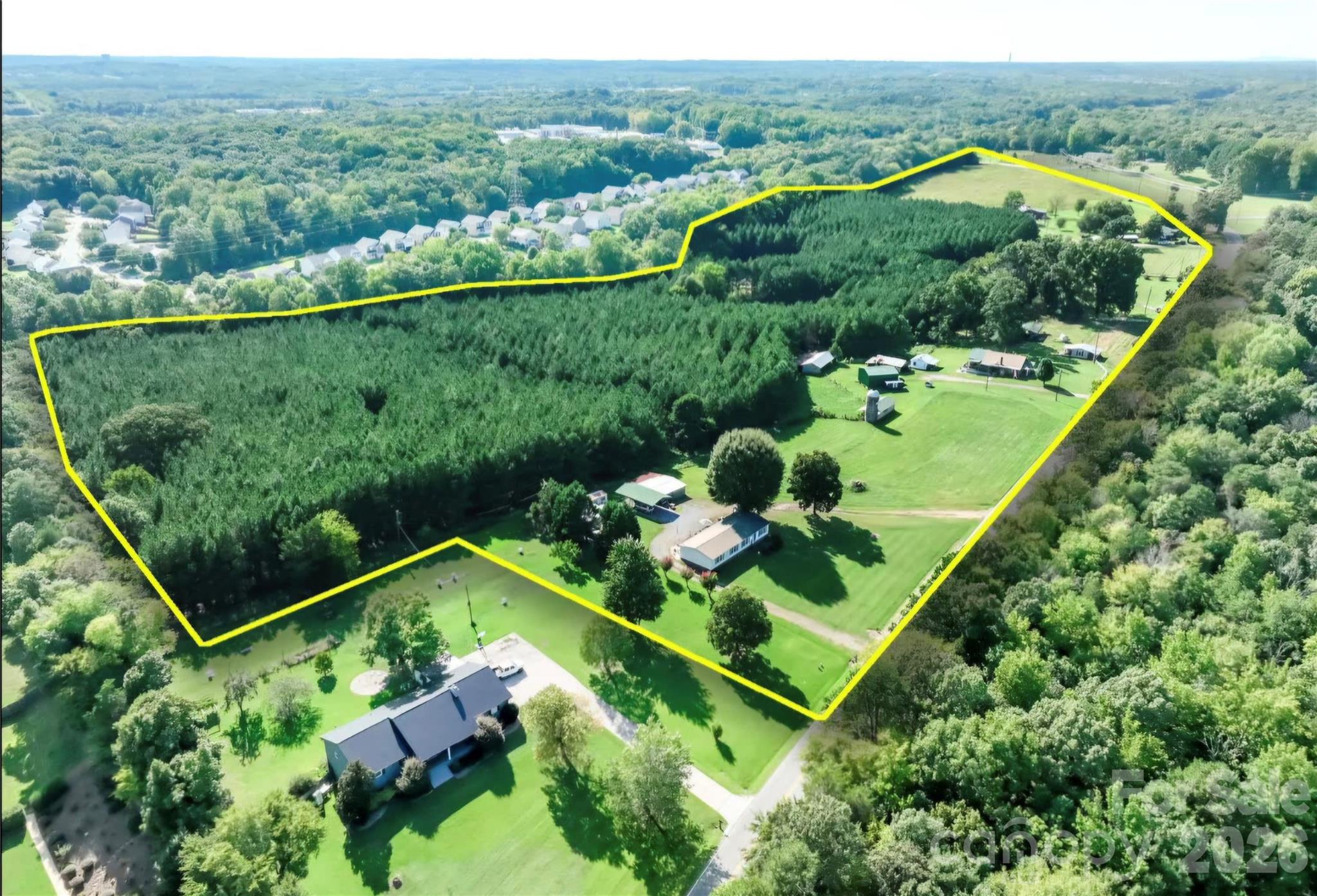
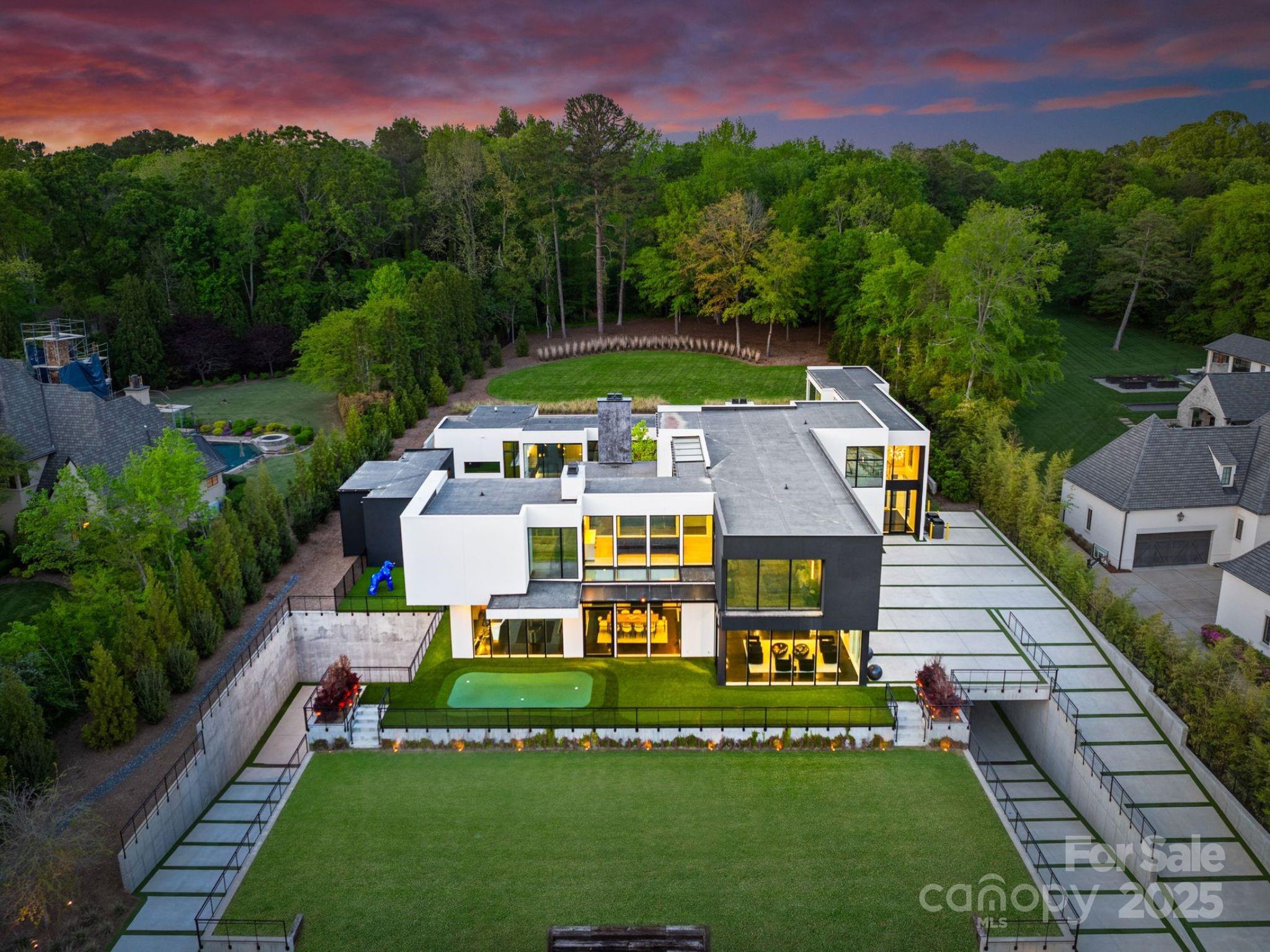
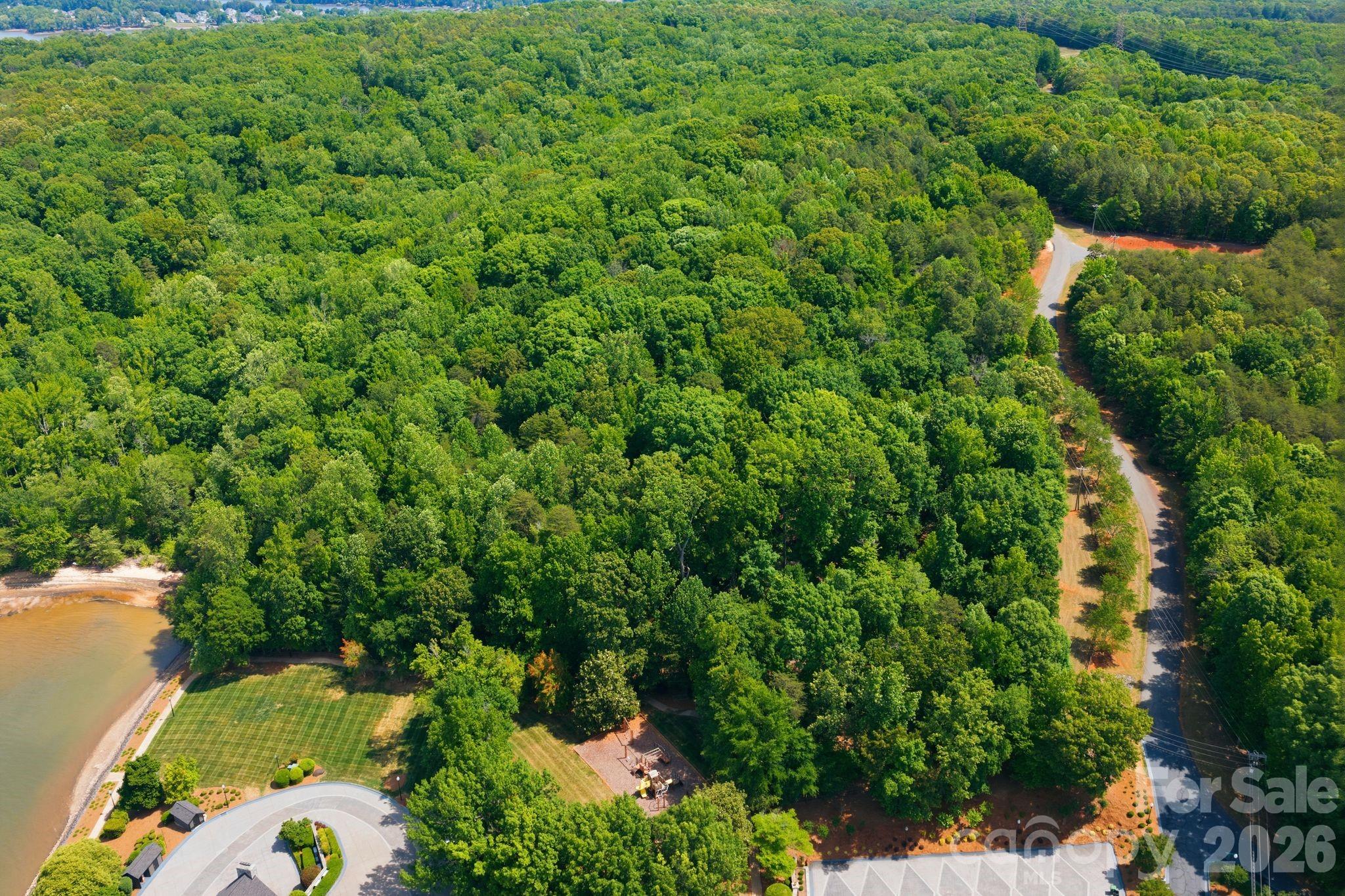
Charlotte, North Carolina, is a dynamic city with a diverse collection of neighborhoods and communities, each offering its own character, housing options, and lifestyle. Known as the Queen City, Charlotte combines the amenities of a major metropolitan area with established residential neighborhoods, growing suburban communities, and access to lakes, parks, and outdoor recreation.
Understanding Charlotte is about more than knowing the city limits. The character of the area can change significantly from one neighborhood to the next, making it important to explore the different communities when deciding where to live.
At the heart of Charlotte is Center City, with Uptown serving as the city's primary business, cultural, and entertainment district.
Center City offers an urban lifestyle with high-rise condominiums and apartments, restaurants, museums, performing arts venues, parks, professional sports, and major employers. The area is also home to several distinct neighborhoods, including First Ward, Second Ward, Third Ward, and Fourth Ward.
Just outside the traditional Uptown core, neighborhoods such as NoDa and South End provide additional urban living options, with restaurants, breweries, shops, entertainment, and access to the LYNX Blue Line.
Lifestyle: Urban, walkable, energetic
Housing: Condominiums, apartments, townhomes, and some historic homes
Best known for: Business district, entertainment, restaurants, sports, arts, and light rail access
North Charlotte extends from Center City toward the communities along I-77 and I-85. The area includes a mixture of established neighborhoods, newer developments, commercial centers, and major employment and educational destinations.
University City is one of the area's major hubs and is home to UNC Charlotte. The community offers apartments, townhomes, single-family homes, restaurants, shopping, and access to the LYNX Blue Line.
Further north, communities such as Highland Creek, Northlake, and Huntersville offer a more suburban setting with a variety of housing options, parks, shopping, dining, and recreational opportunities.
Lifestyle: Urban-suburban mix to suburban
Housing: Condos, townhomes, established homes, and new construction
Best known for: UNC Charlotte, access to major highways, shopping, employment centers, and growing communities
East Charlotte stretches east of Center City and includes a wide range of established neighborhoods and commercial corridors.
One of the area's defining characteristics is its cultural and economic diversity. Residents can find locally owned restaurants, international markets, small businesses, parks, and a broad selection of housing.
Neighborhoods such as Windsor Park, Plaza Midwood, and NoDa offer different experiences, from established residential streets to more walkable and eclectic environments.
East Charlotte can be particularly appealing to buyers looking for proximity to Center City, established neighborhoods, cultural diversity, and a variety of housing choices.
Lifestyle: Diverse, established, neighborhood-oriented
Housing: Older single-family homes, townhomes, apartments, and newer development
Best known for: Cultural diversity, local businesses, established neighborhoods, and proximity to Center City
South Charlotte encompasses a large portion of the city's most established residential communities and major commercial areas.
The area includes well-known destinations such as SouthPark, Quail Hollow, and Ballantyne, along with numerous surrounding neighborhoods.
SouthPark serves as a major shopping, dining, business, and employment center. Ballantyne offers a combination of residential neighborhoods, offices, hotels, restaurants, shopping, golf, and recreational amenities.
Housing ranges from established homes and townhomes to newer construction and luxury properties.
Lifestyle: Suburban, established, amenity-rich
Housing: Single-family homes, townhomes, condos, and luxury properties
Best known for: Shopping, dining, employment centers, established neighborhoods, and golf communities
West Charlotte lies between Center City and Charlotte Douglas International Airport and includes both established neighborhoods and areas experiencing ongoing investment and redevelopment.
The area's location provides convenient access to Uptown, the airport, I-85, I-485, and other major transportation routes.
West Charlotte also offers an opportunity to see Charlotte's continued growth and changing landscape, with new residential and commercial development occurring alongside long-established communities.
Lifestyle: Convenient, diverse, evolving
Housing: Established homes, apartments, townhomes, and new development
Best known for: Airport access, proximity to Uptown, transportation connections, and redevelopment
Northwest Charlotte offers a combination of established residential neighborhoods, newer communities, and developing areas.
Its location provides access to I-85, I-485, Uptown, and Charlotte Douglas International Airport. Buyers can find a variety of housing types and price points throughout the area.
The Northwest corridor also provides access to employment centers and commercial development while remaining close to Center City.
Lifestyle: Residential, growing, convenient
Housing: Single-family homes, townhomes, apartments, and new construction
Best known for: Highway access, proximity to Uptown and the airport, and residential growth
Southeast Charlotte extends toward the communities of Matthews and Mint Hill and offers a transition from the city to more suburban environments.
These communities are popular with buyers looking for established neighborhoods, larger homes and lots, parks, shopping, restaurants, and a strong community atmosphere.
Matthews and Mint Hill each have their own downtown areas and community identities while remaining within easy reach of Charlotte.
Lifestyle: Suburban, community-oriented
Housing: Single-family homes, townhomes, condos, and new construction
Best known for: Neighborhood communities, parks, shopping, dining, and suburban living
Southwest Charlotte extends toward the South Carolina border and includes a mixture of established neighborhoods, new development, and communities with easier access to Lake Wylie.
Lake Wylie offers a different lifestyle from the urban core, with opportunities for boating, fishing, kayaking, waterfront recreation, and enjoying life near the lake.
The area also provides access to both Charlotte and communities across the South Carolina border, making it an option for buyers who want proximity to the city without living directly in the urban core.
Lifestyle: Suburban, recreational, waterfront-oriented
Housing: Single-family homes, townhomes, new construction, and waterfront properties
Best known for: Lake Wylie, outdoor recreation, newer communities, and access to both North and South Carolina
The Charlotte metropolitan area extends well beyond the city itself. Surrounding communities can provide additional choices for buyers who want more space, a smaller-town atmosphere, or a particular lifestyle while maintaining access to Charlotte.
Communities north of Charlotte, including Huntersville, Cornelius, and Davidson, surround Lake Norman and offer a mix of suburban and waterfront living.
Across the South Carolina border, Fort Mill and Tega Cay provide suburban communities with convenient access to Charlotte and a variety of residential options.
Further south, Rock Hill offers a more independent city environment with established neighborhoods, new development, parks, recreation, and access to the greater Charlotte region.
Center City, Uptown, South End, and NoDa offer opportunities for buyers who enjoy walkability, restaurants, entertainment, and proximity to employment.
Throughout East, South, West, and North Charlotte, buyers can find mature neighborhoods with established streets, landscaping, and a variety of home styles.
Communities such as Ballantyne, Matthews, Mint Hill, and Huntersville provide more suburban environments with shopping, dining, parks, and residential amenities.
Growth throughout the Charlotte region has created numerous opportunities for buyers interested in newer homes and planned communities.
Lake Norman and Lake Wylie offer opportunities for buyers who want boating, water recreation, and a lifestyle centered around the lake.
Charlotte's location makes it a major transportation hub for the Carolinas.
Major highways—including I-77, I-85, I-485, and I-74—connect Charlotte with surrounding communities and neighboring states.
The LYNX light rail system provides public transportation through several major areas of the city, while Charlotte Douglas International Airport provides extensive domestic and international air service.
Because commute times can vary considerably depending on where you live and work, understanding Charlotte's major transportation corridors is an important part of choosing a community.
Charlotte offers numerous parks, greenways, trails, recreational facilities, and nature preserves.
The area's lakes provide additional opportunities for boating, fishing, swimming, kayaking, and other water activities. The region's location also provides convenient access to the mountains and other destinations throughout the Carolinas.
Charlotte's dining and entertainment scene reflects the diversity of its communities.
Residents can enjoy locally owned restaurants, international cuisine, breweries, coffee shops, food halls, performing arts, museums, concerts, festivals, and professional sporting events.
From the restaurants and entertainment of Center City to locally owned businesses throughout the surrounding neighborhoods, there are many ways to experience the city.
Charlotte isn't one-size-fits-all. The right community depends on what matters most to you.
Some buyers prioritize commute times and access to employment. Others are looking for schools, parks, shopping, walkability, new construction, larger lots, nightlife, or proximity to the water.
Exploring the different areas of Charlotte can help you understand not only where you want to live, but how you want to live.
Whether you're drawn to the energy of Center City, the character of East Charlotte, the convenience of North Charlotte, the established communities of South Charlotte, or the surrounding suburbs and lake communities, Charlotte offers a wide range of opportunities to call home.
Let's explore the communities and find the one that's right for you.
962,267 people live in Charlotte & Neighborhood Guide | Homes for Sale, where the median age is 35.3 and the average individual income is $50,007. Data provided by the U.S. Census Bureau.
Total Population
Median Age
Population Density Population Density This is the number of people per square mile in a neighborhood.
Average individual Income
There's plenty to do around Charlotte & Neighborhood Guide | Homes for Sale, including shopping, dining, nightlife, parks, and more. Data provided by Walk Score and Yelp.
Explore popular things to do in the area, including Robinson Alison Market, The Dawg House, and Old Dog.
| Name | Category | Distance | Reviews |
Ratings by
Yelp
|
|---|---|---|---|---|
| Dining | 0.25 miles | 0 reviews | 0/5 stars | |
| Dining | 0.53 miles | 0 reviews | 0/5 stars | |
| Shopping | 0.2 miles | 0 reviews | 0/5 stars | |
| Shopping | 0.33 miles | 1 review | 3/5 stars | |
| Active | 0.28 miles | 0 reviews | 0/5 stars | |
| Active | 0.34 miles | 1 review | 5/5 stars | |
| Active | 0.58 miles | 0 reviews | 0/5 stars | |
| Active | 0.63 miles | 0 reviews | 0/5 stars | |
| Beauty | 0.06 miles | 0 reviews | 0/5 stars | |
| Beauty | 0.2 miles | 0 reviews | 0/5 stars | |
| Beauty | 0.26 miles | 0 reviews | 0/5 stars | |
| Beauty | 0.28 miles | 0 reviews | 0/5 stars | |
| Beauty | 0.28 miles | 0 reviews | 0/5 stars | |
| Beauty | 0.34 miles | 0 reviews | 0/5 stars | |
| Beauty | 0.34 miles | 0 reviews | 0/5 stars | |
| Beauty | 0.5 miles | 0 reviews | 0/5 stars | |
| Beauty | 0.54 miles | 0 reviews | 0/5 stars | |
| Beauty | 0.56 miles | 0 reviews | 0/5 stars | |
| Beauty | 0.59 miles | 0 reviews | 0/5 stars | |
| Beauty | 0.61 miles | 0 reviews | 0/5 stars | |
| Beauty | 0.71 miles | 2 reviews | 2.5/5 stars | |
| Beauty | 0.75 miles | 0 reviews | 0/5 stars | |
|
|
||||
|
|
||||
|
|
||||
|
|
||||
|
|
||||
|
|
Charlotte & Neighborhood Guide | Homes for Sale has 392,044 households, with an average household size of 2.1059259259259258. Data provided by the U.S. Census Bureau. Here’s what the people living in Charlotte & Neighborhood Guide | Homes for Sale do for work — and how long it takes them to get there. Data provided by the U.S. Census Bureau. 962,267 people call Charlotte & Neighborhood Guide | Homes for Sale home. The population density is 2,852 and the largest age group is Data provided by the U.S. Census Bureau.
Total Population
Population Density Population Density This is the number of people per square mile in a neighborhood.
Median Age
Men vs Women
Population by Age Group
0-9 Years
10-17 Years
18-24 Years
25-64 Years
65-74 Years
75+ Years
Education Level
Total Households
Average Household Size
Average individual Income
Households with Children
With Children:
Without Children:
Marital Status
Blue vs White Collar Workers
Blue Collar:
White Collar: